How AI Is Changing Chronic Care Management for Modern Healthcare Providers
Learn how AI-powered chronic care management platforms improve patient monitoring, engagement, workflow efficiency, and chronic disease management for healthcare providers.
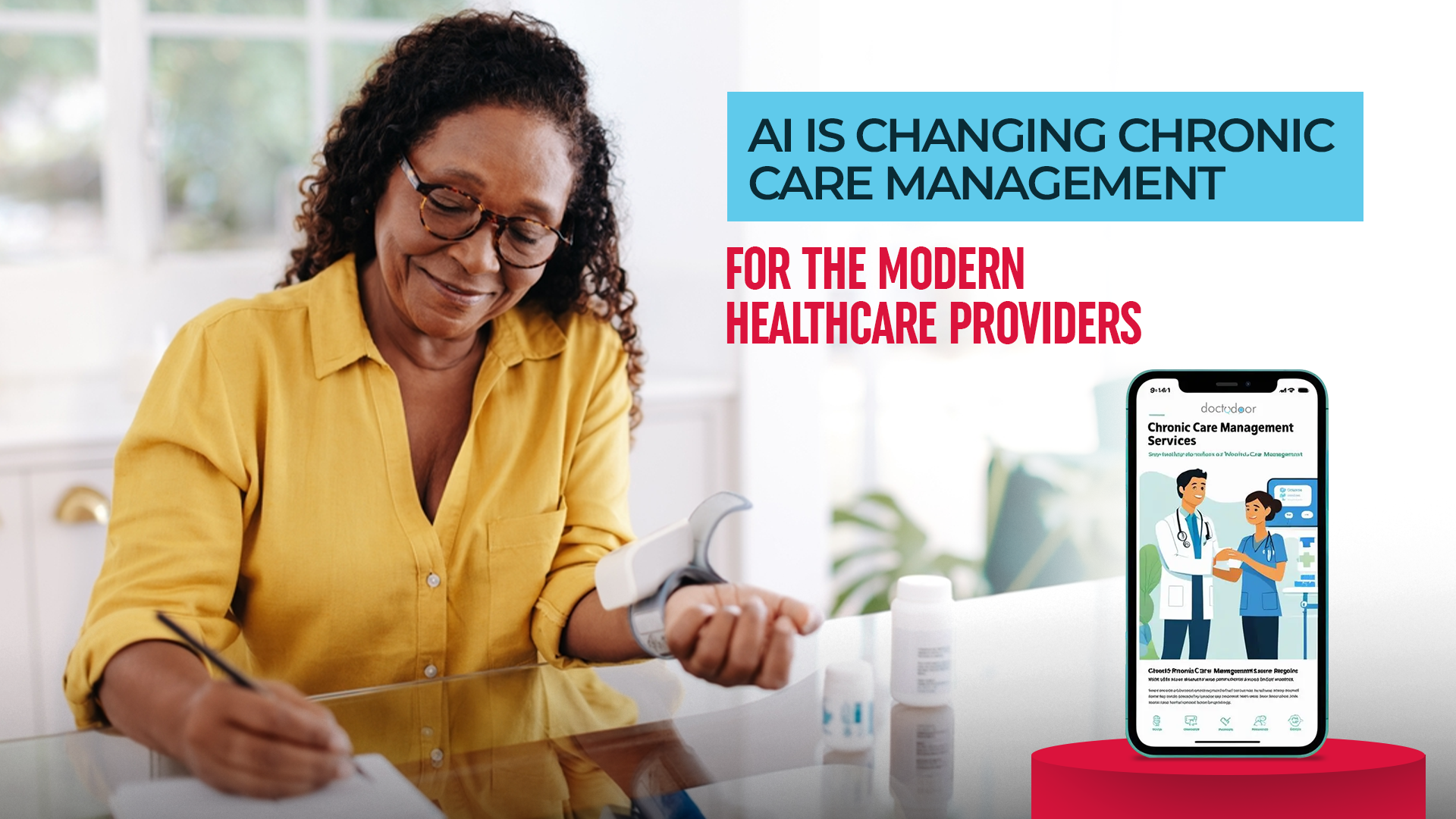
Managing chronic conditions takes ongoing attention, regular follow-ups, and strong communication between patients and healthcare providers. But as the number of patients continues to grow, many healthcare teams are finding it harder to keep up with the daily demands of chronic care. Manual follow-ups, missing patient information, and limited staff time can quickly make the process overwhelming.
This is where artificial intelligence is helping healthcare providers work more efficiently. Instead of relying entirely on manual processes, many organizations are now using smarter technology to simplify care management, improve patient engagement, and provide more personalized support. A modern chronic care management platform powered by AI can help healthcare teams stay connected with patients while making everyday workflows much easier to manage.
Why AI Matters in Chronic Care Management
Traditional chronic care programs often depend on manual tracking and reactive communication. In many cases, healthcare providers only step in after a patient reports symptoms or a condition starts getting worse. This can delay timely care and make it difficult to identify patients who may need immediate attention.
AI helps make chronic care management more proactive. By reviewing patient data in real time, it can spot health patterns, changes, or gaps in care much earlier. Instead of waiting for patients to raise concerns, providers can respond sooner and take preventive steps before conditions become more serious.
To manage patients with diabetes, hypertension, heart disease, COPD, or multiple chronic conditions, it is important to have better visibility into patient health, as it makes care coordination much more effective. It lets healthcare teams stay informed, respond faster, and provide more consistent support throughout the patient's care journey.
Key Ways AI Is Transforming Chronic Care
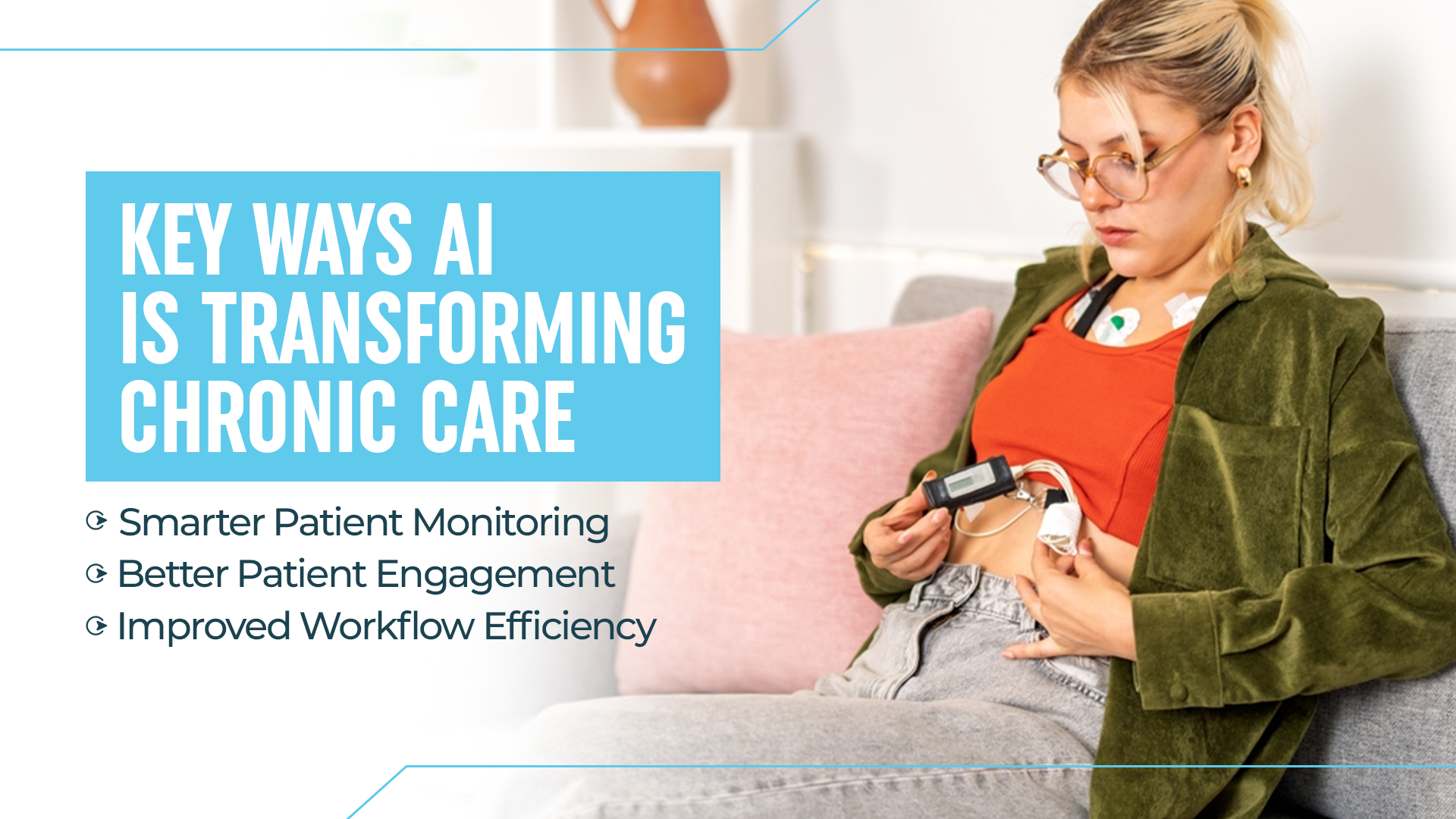
Smarter Patient Monitoring
AI-powered patient monitoring tools help healthcare providers keep track of patient health data through connected devices and digital reporting systems. This gives care teams a clearer picture of a patient's condition between visits and helps them identify warning signs earlier, before complications become more serious, resulting in fewer hospital visits and better support for more informed clinical decisions.
With a connected chronic disease management platform, providers can monitor:
- Blood pressure trends
- Glucose readings
- Medication adherence
- Symptom progression
- Activity and lifestyle data
Better Patient Engagement
One of the biggest challenges in chronic care management services is keeping patients consistently involved in their care. AI-powered tools help improve engagement through automated reminders, symptom check-ins, alerts, and educational support.
When communication is regular and easy to access, patients are more likely to stay active in managing their health. AI-supported voice, chat, and video tools also make it easier for healthcare teams to stay connected with more patients without putting extra pressure on staff.
Improved Workflow Efficiency
Managing chronic care programs often comes with a large amount of administrative work. AI can help simplify daily tasks by automating follow-ups, appointment reminders, patient tracking, and reporting.
This is especially helpful for healthcare teams using CCM software for clinics that need to manage larger patient populations while staying organized and compliant. AI-driven automation can also support billing and documentation requirements related to Medicare reimbursement programs.
The Role of CPT Codes in CCM Programs
For healthcare providers offering chronic care management services, accurate documentation and compliance are an important part of the process. This is especially true for Medicare billing requirements tied to CPT 99490 and CPT 99487.
CPT 99490 typically covers at least 20 minutes of monthly chronic care management services for eligible patients. CPT 99487 is used for more complex cases that require a higher level of care coordination and clinical decision-making.
AI-supported CCM platforms can make this process much easier by helping providers track patient interactions, monitor time spent on care activities, and maintain organized documentation. This not only supports smoother workflows but can also help improve reimbursement accuracy while reducing administrative workload.
How DocToDoor Supports AI-Driven Chronic Care Management
DocToDoor helps healthcare providers manage chronic care more efficiently with AI-supported tools that improve patient engagement, monitoring, and communication. Our chronic care management platform combines remote monitoring and smart communication features to help care teams stay better connected with patients.
With our platform, providers can monitor patient health trends remotely, create personalized care plans, track symptoms, and communicate with patients through voice, video, and chat tools. Having everything in one place makes it easier for healthcare teams to manage chronic conditions and respond to patient needs faster.
Our platform also supports HIPAA-compliant and CMS-aligned workflows, helping clinics stay organized while managing chronic care programs and documentation requirements. We also integrate with remote patient monitoring services, giving providers access to real-time patient data for more proactive and informed care decisions.
Frequently Asked Questions
What is a chronic care management platform?
How does AI improve chronic care management?
What is CPT 99490 in chronic care management?
Final Words
A modern chronic care management platform like DocToDoor can help healthcare organizations improve operational efficiency while creating better long-term outcomes for patients living with chronic conditions.
To learn how DocToDoor supports your chronic care management program, book a demo and explore our platform's AI-driven capabilities.