Artificial Intelligence in Chronic Care Management
Managing chronic conditions at scale with AI-powered care delivery
For healthcare teams managing chronic conditions, the challenge is rarely clinical knowledge. It is execution at scale.
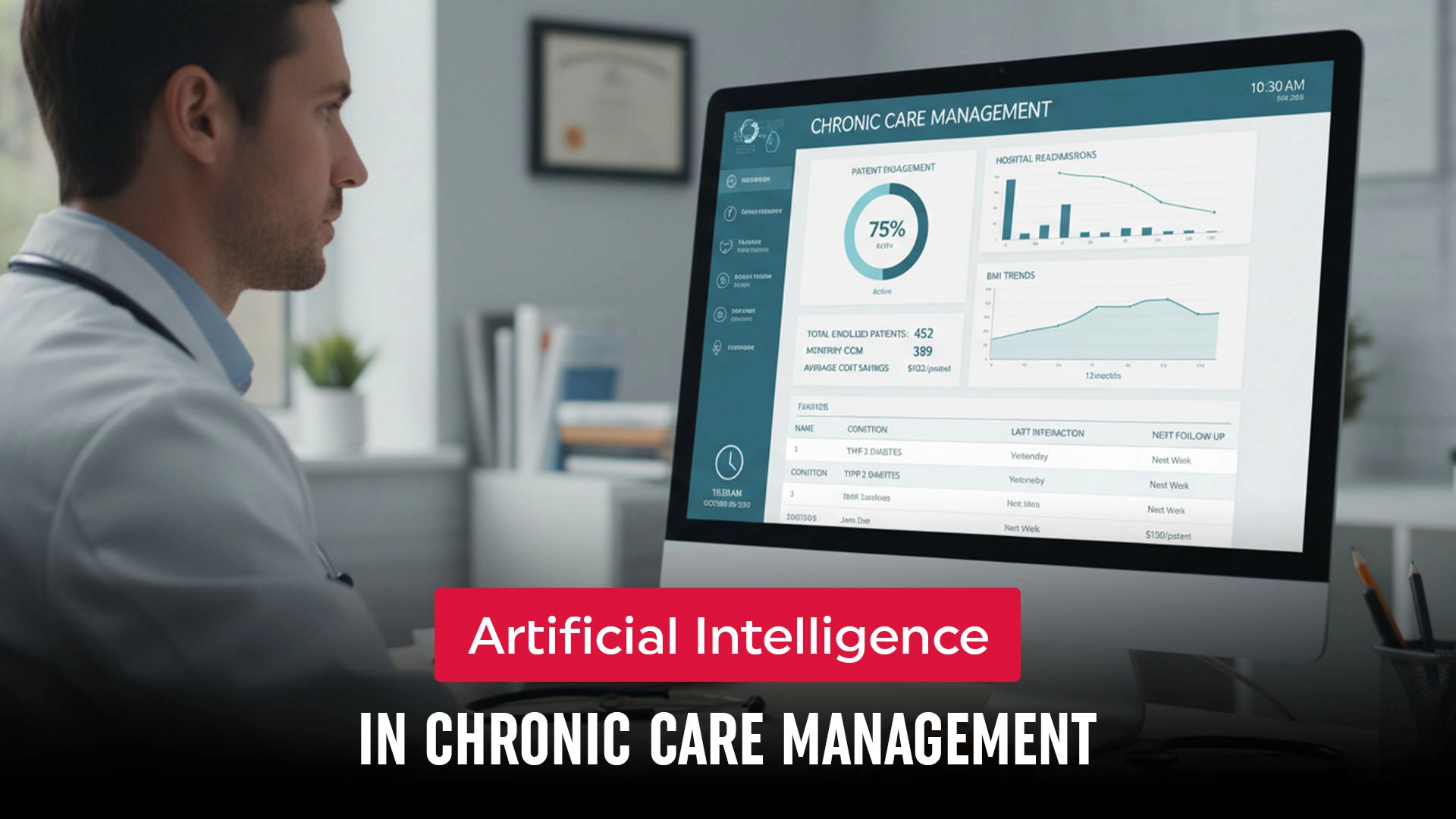
You are expected to improve outcomes, meet quality benchmarks, and stay compliant with evolving value-based care models. At the same time, patient volumes are rising, staffing remains tight, and margins are under constant pressure. Remote patient monitoring devices are deployed, but patient compliance drops after the first few weeks. Post-discharge follow-ups are documented, yet readmissions still occur. Long-term care facilities continue to see off-peak emergencies that could have been prevented with earlier intervention.
These problems show that traditional care models are struggling to keep pace with the ongoing nature of chronic care management.
Why Chronic Care Breaks Down at Scale
Chronic conditions do not follow appointment schedules. Patients deteriorate gradually, symptoms fluctuate, and risks emerge between visits. Most care teams rely on periodic reviews, static alerts, or manual dashboards that demand time clinicians simply do not have.
When every patient generates data, the real issue is not access to information but knowing where to focus attention. Clinicians need clarity, not noise. Without intelligent prioritization, teams end up reacting to events instead of preventing them.
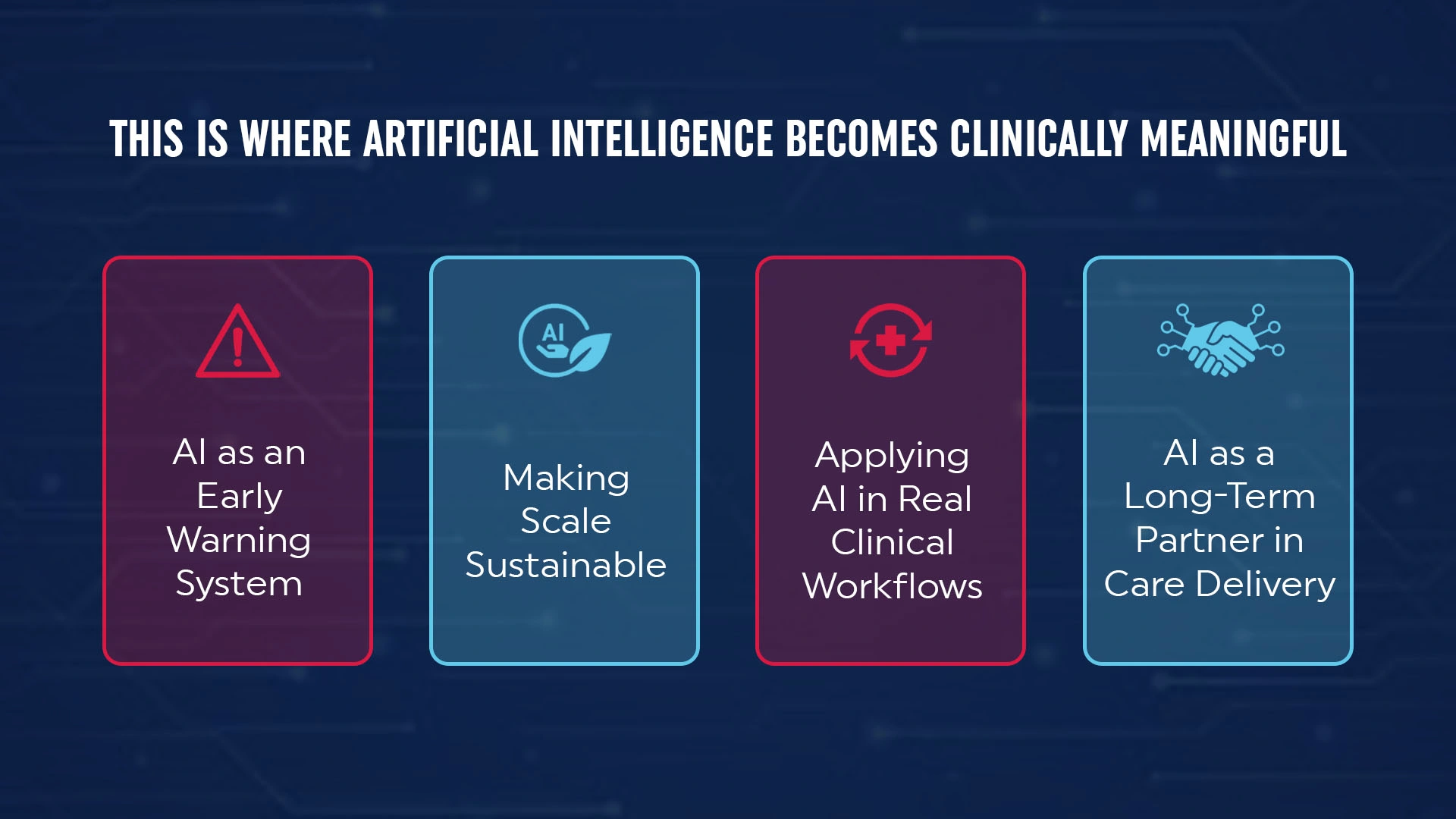
This is where artificial intelligence becomes clinically meaningful.
AI as an Early Warning System
AI does not replace clinical judgment. It supports and strengthens it.
By continuously analyzing vitals, symptom patterns, and behavioral data, AI can identify subtle changes that signal risk long before a patient ends up in the emergency department. Instead of treating all alerts equally, AI highlights which patients truly need outreach today, this hour, or even this minute.
For clinicians, using AI-powered chronic care management platforms means fewer unnecessary check-ins and more targeted interventions. For patients, it means earlier support and fewer avoidable complications. For organizations, it translates into lower readmissions and stronger performance under value-based care contracts.
Making Scale Sustainable
One of the biggest concerns healthcare leaders raise is whether scaling chronic care means losing the human touch. In practice, the opposite is often true.
AI-driven workflows eliminate repetitive tasks such as manual documentation, routine follow-ups, and constant data review. This allows care teams to focus on conversations that matter, whether that is adjusting a care plan, addressing patient concerns, or coordinating with other providers.
In transitional care, the first few days after discharge are critical. AI-supported outreach ensures patients are contacted within the right time window, symptoms are assessed consistently, and care plans are reinforced. This reduces gaps that often lead to readmissions while supporting accurate documentation for reimbursement.
Applying AI in Real Clinical Workflows
Technology only works when it fits into how care is actually delivered. This is where chronic care management platforms like DocToDoor play a role.
DocToDoor applies AI across remote patient monitoring, chronic care management, and transitional care, aligning with real-world clinical and operational needs. Instead of overwhelming teams with data, the platform prioritizes patients based on risk and trends, helping clinicians act earlier and with confidence.
For clinics and ACOs, this means better visibility into high-risk patients, stronger patient engagement, and improved performance across quality metrics. For skilled nursing and long-term care facilities, it means extending care beyond facility walls, monitoring residents after discharge, and reducing avoidable escalations during off-hours.
Importantly, AI also supports the business side of care. Automated documentation and billing alignment help teams capture appropriate reimbursement without increasing administrative workload. Time saved per provider adds up quickly, especially for organizations managing large patient populations.
AI as a Long-Term Partner in Care Delivery
Managing chronic conditions at scale is not about deploying more tools. It is about building systems that support proactive, continuous care without exhausting the people delivering it.
AI, when thoughtfully applied, becomes a clinical partner. It helps care teams see risk earlier, respond faster, and spend more time on patient care rather than process management.
As healthcare continues to move toward value-based models, the organizations that succeed will be those that combine clinical expertise with intelligent, scalable care delivery. AI is no longer optional in that equation. It is becoming foundational.
Frequently Asked Questions
How does AI help reduce readmissions for chronic patients?
Can AI-supported RPM improve patient engagement?
Is AI useful for post-acute and long-term care settings?
How does DocToDoor support value-based care goals?
Follow us on LinkedIn.