7 Ways White Label Patient Monitoring Improves Patient Engagement
White label patient monitoring platforms help healthcare providers improve communication, increase patient participation, and deliver more consistent long-term care experiences.
Patient engagement plays a major role in treatment success, long-term health management, and continuity of care. That's why many healthcare providers are now using a White Label Patient Monitoring solution to stay better connected with patients while managing remote care more efficiently.
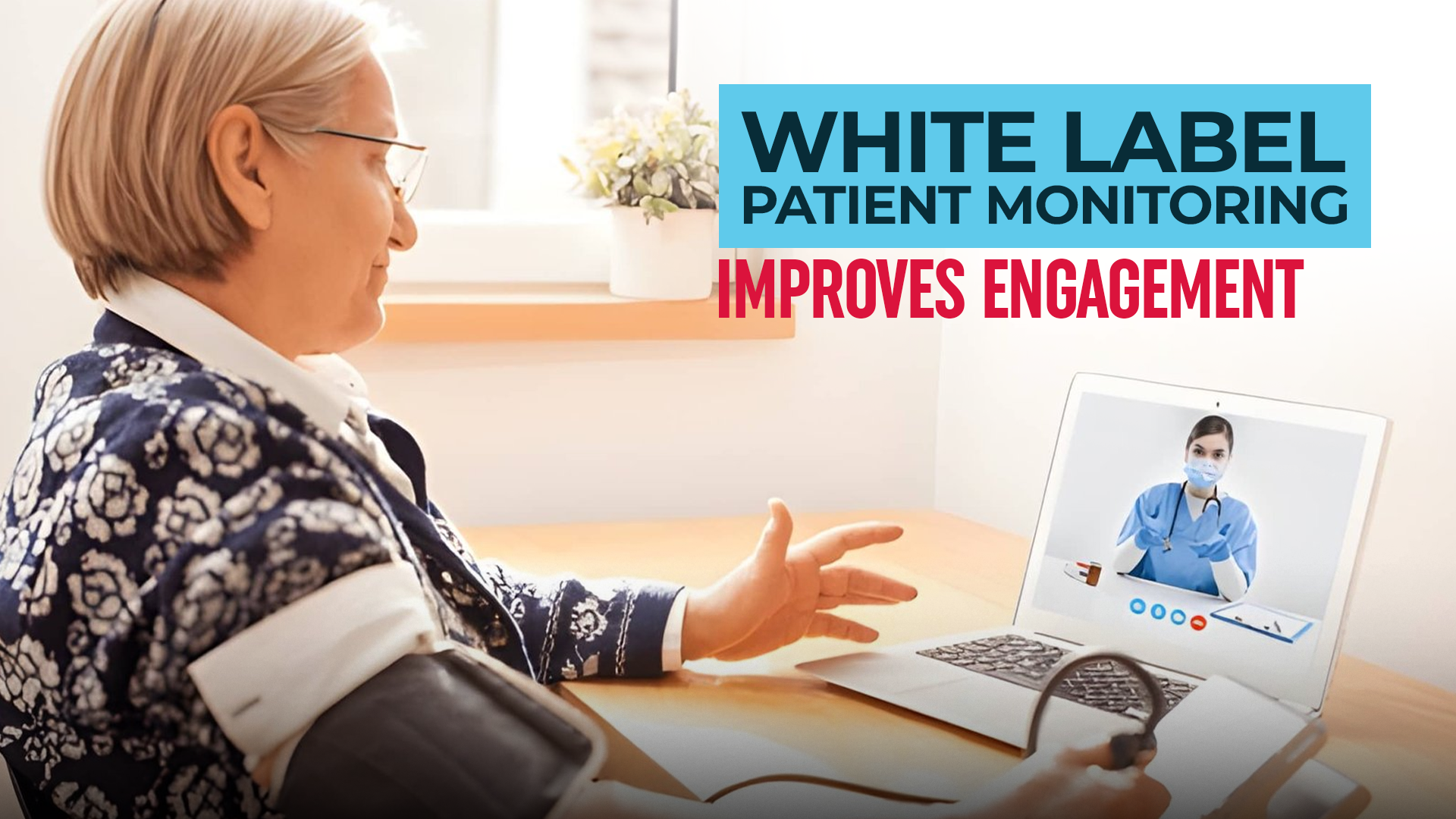
Remote monitoring helps healthcare organisations support patients outside regular clinic visits. Instead of depending on disconnected communication or generic third-party systems, providers can offer a smoother and more personalised care experience through a dedicated platform.
As remote healthcare continues to grow, many organisations are choosing flexible monitoring systems that improve patient engagement without interrupting existing workflows.
Importance of Remote Patient Monitoring for Patient Engagement
Remote healthcare works best when patients stay involved in their treatment plans. Patients who regularly track their health data, stay in touch with care teams, and follow monitoring routines are more likely to see better health outcomes.
A reliable white label remote patient monitoring platform helps healthcare providers improve communication and keep patients engaged in their care. It also gives patients easier access to their health information, helping build trust and better understanding of their treatment.
Patient engagement is especially important for:
- Chronic disease management
- Post-discharge monitoring
- Elderly patient support
- Preventive healthcare programs
- Long-term care coordination
Healthcare organisations that focus on improving patient engagement often see better overall care results. Patients who stay involved in their treatment plans are more likely to attend appointments regularly, follow medical advice correctly, and stay connected with their healthcare providers over time.
Better engagement also helps reduce missed follow-ups, improves communication between patients and care teams, and supports stronger long-term relationships throughout the care journey.
How White Label Healthcare Software Supports Long-Term Care
Many healthcare providers need more flexibility than standard monitoring systems can provide.
A scalable white label healthcare software solution allows organisations to adjust monitoring programs based on different patient needs, clinical goals, and operational requirements. This is especially useful for hospitals, telehealth providers, and healthcare groups managing large patient volumes across multiple locations.
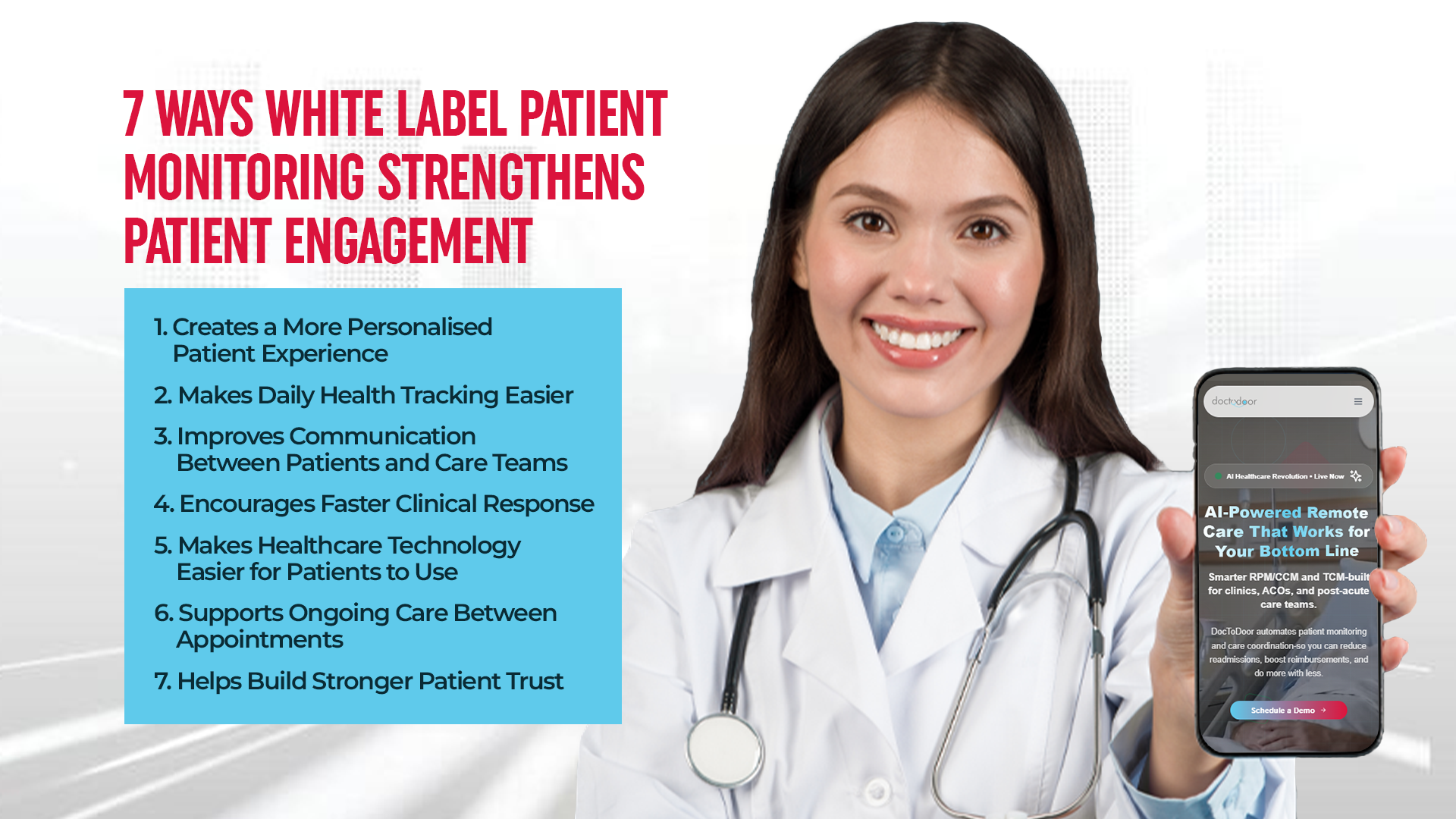
7 Ways White Label Patient Monitoring Strengthens Patient Engagement
1. Creates a More Personalised Patient Experience
Patients are more likely to stay engaged with healthcare platforms that feel familiar and easy to use. An RPM system allows healthcare providers to deliver care under their own name instead of sending patients to third-party apps.
This creates a smoother experience and helps patients feel more connected to their healthcare provider. A customised white label RPM platform can also match the organisation's communication style and patient support process.
2. Makes Daily Health Tracking Easier
Patients are more likely to follow monitoring routines when the process feels simple and convenient.
Remote patient monitoring platforms help patients track blood pressure, glucose levels, oxygen saturation, heart rate, and other health data from home using connected devices. Clear dashboards and automated reminders make daily tracking easier and encourage regular participation.
When monitoring becomes part of a patient's everyday routine, long-term engagement often improves naturally.
3. Improves Communication Between Patients and Care Teams
Poor communication can make patients feel disconnected from their treatment plans.
A well-designed monitoring platform helps patients stay in touch with care teams through alerts, messages, and health updates. Patients can receive support and guidance quickly without always needing an in-person visit.
Regular communication helps patients feel supported throughout their care journey, not just during appointments.
4. Encourages Faster Clinical Response
Patients feel more confident staying involved in remote care when they know their health data is being monitored regularly.
Remote monitoring systems help healthcare providers identify unusual readings early and respond before health conditions become more serious. Faster support not only improves patient outcomes but also reassures patients that their care team is actively involved in their treatment.
This ongoing attention helps build stronger confidence in remote healthcare programs.
5. Makes Healthcare Technology Easier for Patients to Use
Complicated healthcare systems can make it harder for patients to stay engaged.
Simple dashboards, easy onboarding, and mobile-friendly access help patients use monitoring platforms more comfortably, regardless of age or technical experience. This is particularly helpful for elderly patients and people managing chronic conditions at home.
6. Supports Ongoing Care Between Appointments
Patient engagement should continue even after a clinic visit ends.
Remote monitoring helps healthcare providers stay connected with patients between appointments through reminders, progress updates, and regular follow-ups. This keeps patients involved in their treatment plans and encourages better long-term care management.
Consistent communication also helps strengthen relationships between patients and care teams over time.
7. Helps Build Stronger Patient Trust
Trust is an important part of patient engagement. Patients feel more comfortable sharing personal health information through a secure and professionally branded healthcare platform.
A dedicated monitoring system helps create a more reliable and familiar care experience while reassuring patients that their healthcare provider is directly managing their care.
Choosing the Right White Label RPM Platform
Healthcare providers looking for remote monitoring solutions should focus on more than just basic tracking features. With the right platform, they can experience:
- Device integration
- Secure patient communication
- Workflow customisation
- Scalable patient management
- Regulatory compliance
- Data accessibility for care teams
At DocToDoor, we help healthcare organisations improve patient engagement and care coordination through reliable remote patient monitoring solutions. Our platform is designed to support connected care while giving providers the flexibility to manage different patient needs more efficiently.
We work with healthcare providers to simplify both patient participation and clinical workflows, helping teams deliver a smoother remote care experience. To learn more, book a demo today.