Chronic Care Management: What Diagnoses and Conditions Qualify and How DocToDoor Helps?
Learn what diagnoses and conditions qualify for chronic care management, how healthcare providers determine eligibility, and how DocToDoor's Chronic Care Management App streamlines care coordination, remote monitoring, and long-term patient support.
Chronic care management is an essential part of modern medical treatment plans. So, a lot of people are interested in knowing what diagnoses qualify for remote chronic care management. A patient qualifies if they have been diagnosed with two or more chronic conditions expected to last at least 12 months or until the end of life. These conditions put the patients at risk of worsening health at any time, sudden hospitalization, or functional decline.
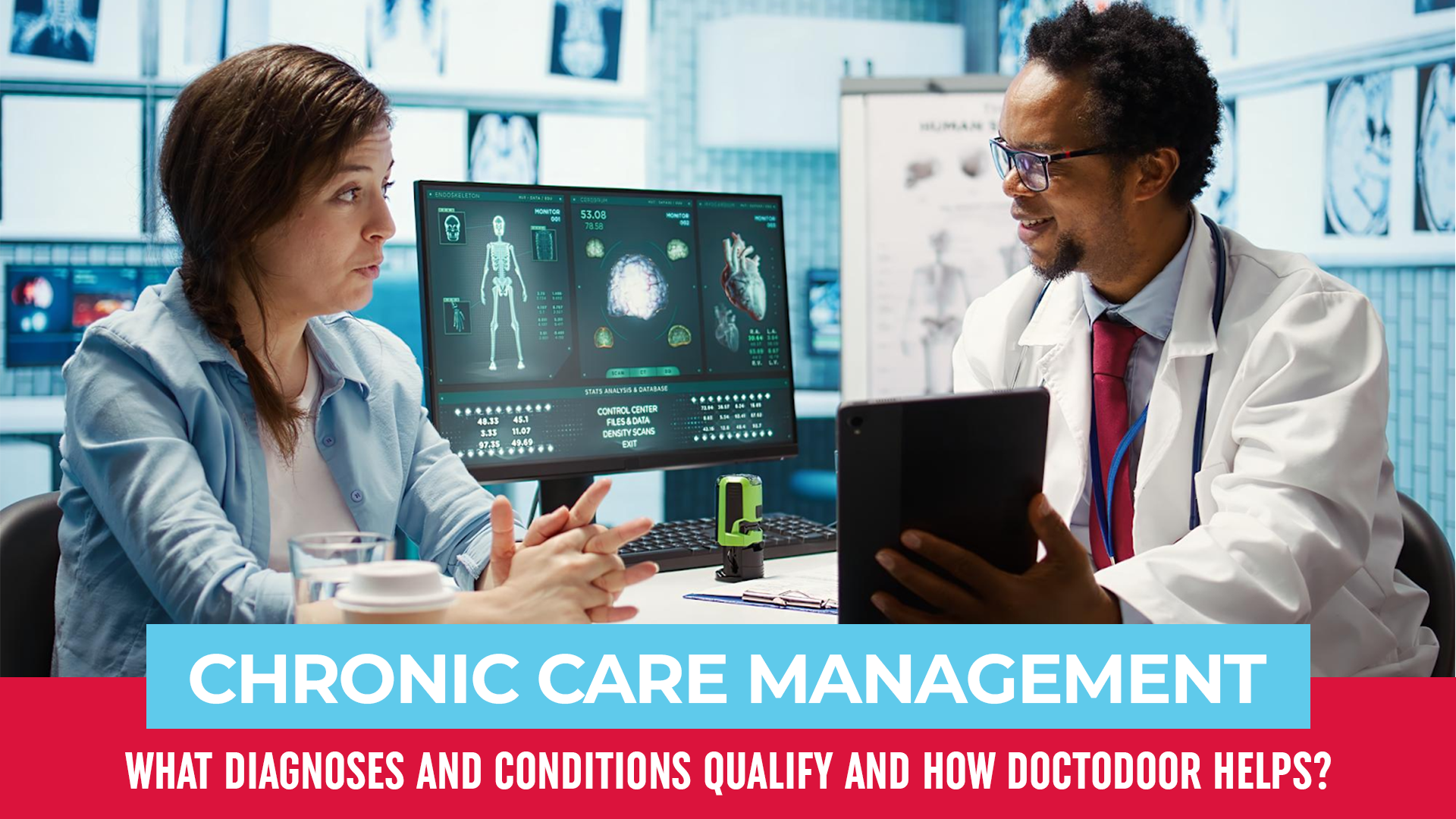
Chronic care management (CCM) enables healthcare professionals to track a patient's vitals remotely, coordinate ongoing treatment, improve communication, and support patients between appointments. All these steps make long-term care more effective and organised.
What Conditions Qualify for Chronic Care Management?
- Diabetes
- Hypertension
- Heart disease or heart failure
- Chronic obstructive pulmonary disease (COPD)
- Asthma
- Arthritis
- Chronic kidney disease
- Depression and anxiety disorders
- Dementia
- Stroke recovery
- Osteoporosis
- Cancer requiring long-term management
A lot of patients deal with a combination of these conditions. For example, a person living with diabetes and hypertension or someone with COPD and heart failure will generally meet the criteria for CCM services. Healthcare providers generally assess how these conditions are affecting the patient's daily life, medication management, and the likelihood of emergency care or hospital admissions.
How Do Healthcare Providers Determine Eligibility for Chronic Care Management?
A diagnosis is not always enough to determine if a patient is fully eligible for chronic care management. Healthcare providers must evaluate whether ongoing coordination will be effective to improve the health outcome of a patient.
A patient can usually qualify if he/she-
- Has two or more chronic conditions expected to last at least one year
- Requires a comprehensive care plan
- Needs regular medication management or monitoring
- Can benefit from communication between multiple healthcare professionals
- Faces a significant risk of complications, hospitalization, or declining health without consistent follow-up
When a patient enrolls in the chronic care management services, the care team develops a personalized care plan involving medication reviews, preventive care, appointment coordination, symptom monitoring, and patient education. With the help of a well-structured approach, patients can stay engaged with their treatment and the providers while mitigating sudden and avoidable emergency hospital visits and enhancing overall quality of care.
How Can You Choose the Right Chronic Care Management Solution
Well, effective chronic care management is more than just regular check-ins. It is important for healthcare professionals to have access to reliable tools that can simplify communication, track patient progress and keep care plans accessible.
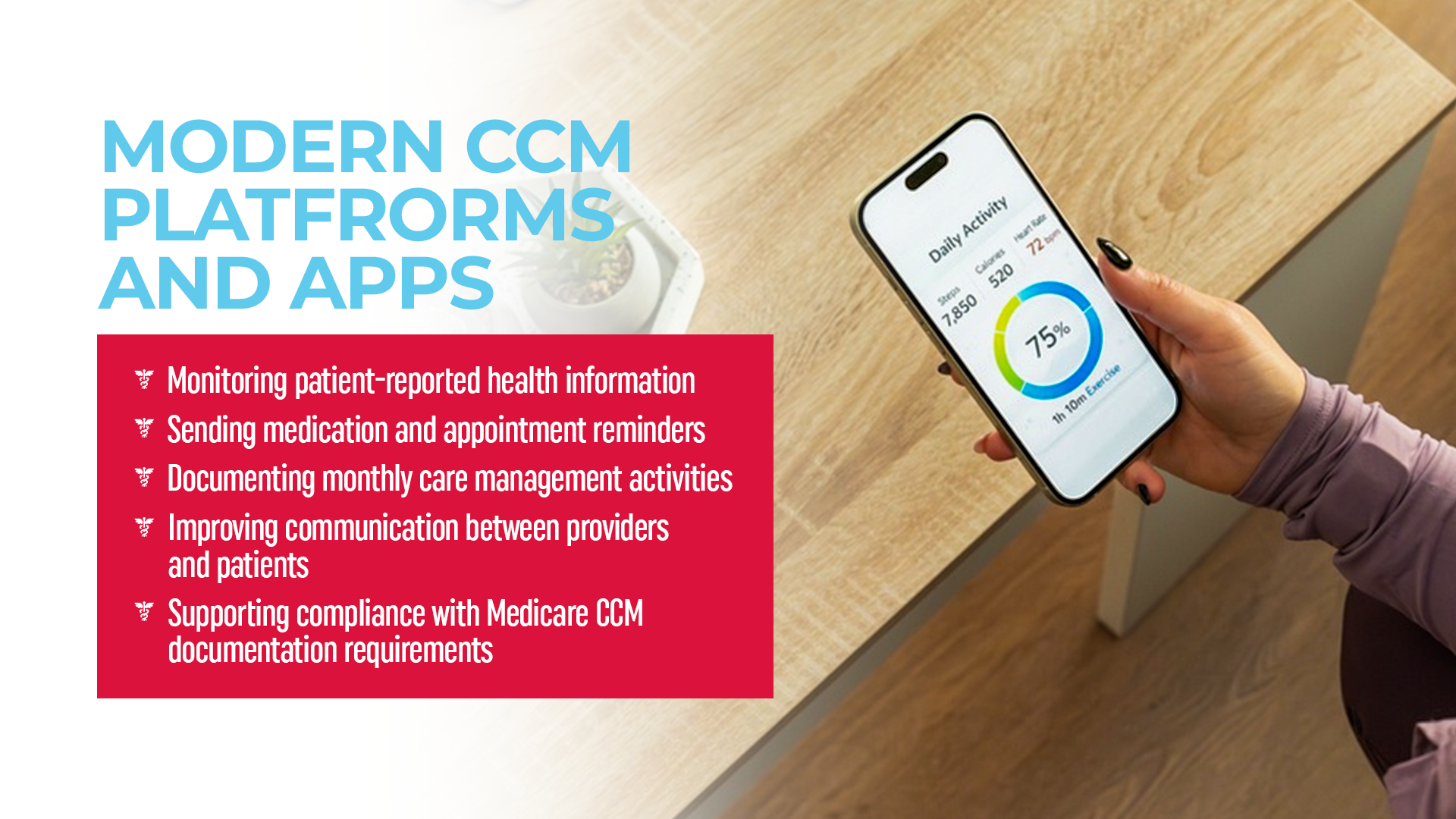
Modern CCM platforms and apps can support healthcare teams by-
- Monitoring patient-reported health information
- Sending medication and appointment reminders
- Documenting monthly care management activities
- Improving communication between providers and patients
- Supporting compliance with Medicare CCM documentation requirements
Our dedicated CCM platform is designed to help organizations manage an increasing number of patients with long-term conditions while improving workflow efficiency, patient engagement and continuity of care.
Why Patients Need to Enroll Early for Chronic Care Management
For patients with chronic illness, enrolling early for chronic care management is really important. Many patients become eligible for this service long before their conditions worsen. Through early enrollment, providers can address potential health problems, encourage medication adherence, and respond to changes before the situation becomes severe and leads to expensive complications.
Wrapping Up
A chronic care management app not only helps healthcare professionals continue treating their patients with serious health conditions without frequent hospital visits but also allows patients gain access to ongoing support between visits.
For healthcare providers, implementing the right CCM processes and technology can improve patient outcomes while simplifying care delivery. If you're looking for a smarter way to manage chronic care, learn more about DocToDoor's chronic care management app and discover how it can support your practice and your patients.
Book a demo to experience the difference.