How Smarter Remote Patient Monitoring Is Changing the Way Care Teams Manage Hypertension
This blog explores how AI-powered remote patient monitoring is changing hypertension management through continuous blood pressure tracking, data insights, and connected patient care.
Hypertension rarely follows a convenient schedule. A patient's blood pressure may look acceptable during a clinic visit and tell a very different story at home. That gap is one reason remote patient monitoring is becoming an important part of chronic disease care in 2026.
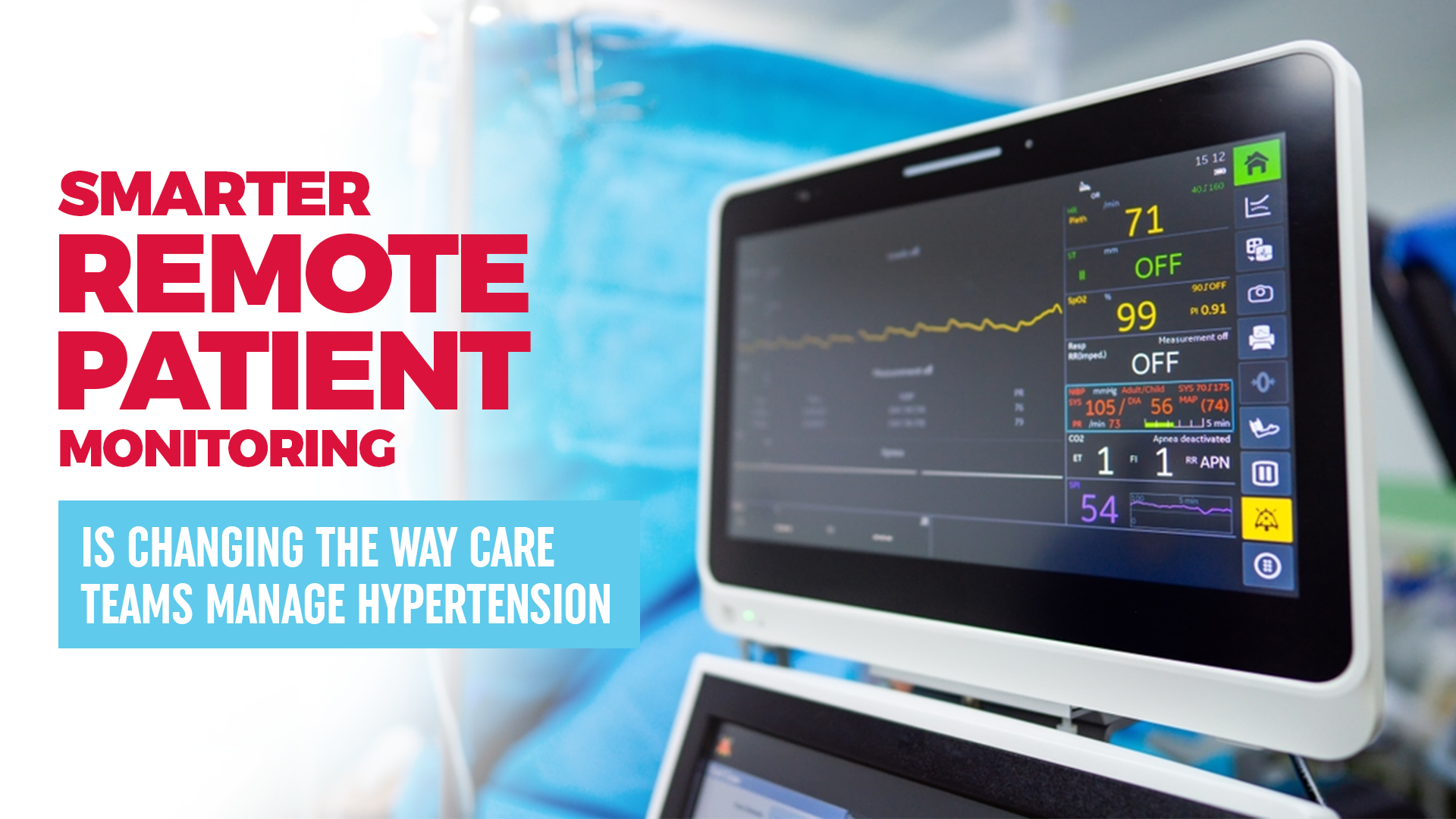
With connected devices, automated data collection, and AI-supported workflows, healthcare providers can now get a clearer picture of how blood pressure changes over time and respond when readings need attention.
Why Hypertension Needs More Than Occasional Readings
Traditional hypertension management often relies on measurements taken during appointments. While these readings remain important, they provide only a snapshot of a patient's condition.
Remote patient monitoring for hypertension creates a more continuous view. A connected blood pressure device can send readings to a care platform, allowing clinicians to review trends rather than relying only on a patient's next appointment.
Research has found encouraging results. In one large retrospective study of 6,595 patients, systolic blood pressure improved by an average of 7.3 mmHg after at least 90 days of RPM, with a larger improvement among patients with stage 2 hypertension.
A separate prospective study also found better blood pressure control among patients prescribed RPM than matched controls at 12 and 18 months.
RPM is not a replacement for clinical judgment, medication management, or in-person care. Its value comes from giving care teams better information between visits.
What AI Adds to Hypertension Monitoring
The next step is moving beyond simply collecting readings.
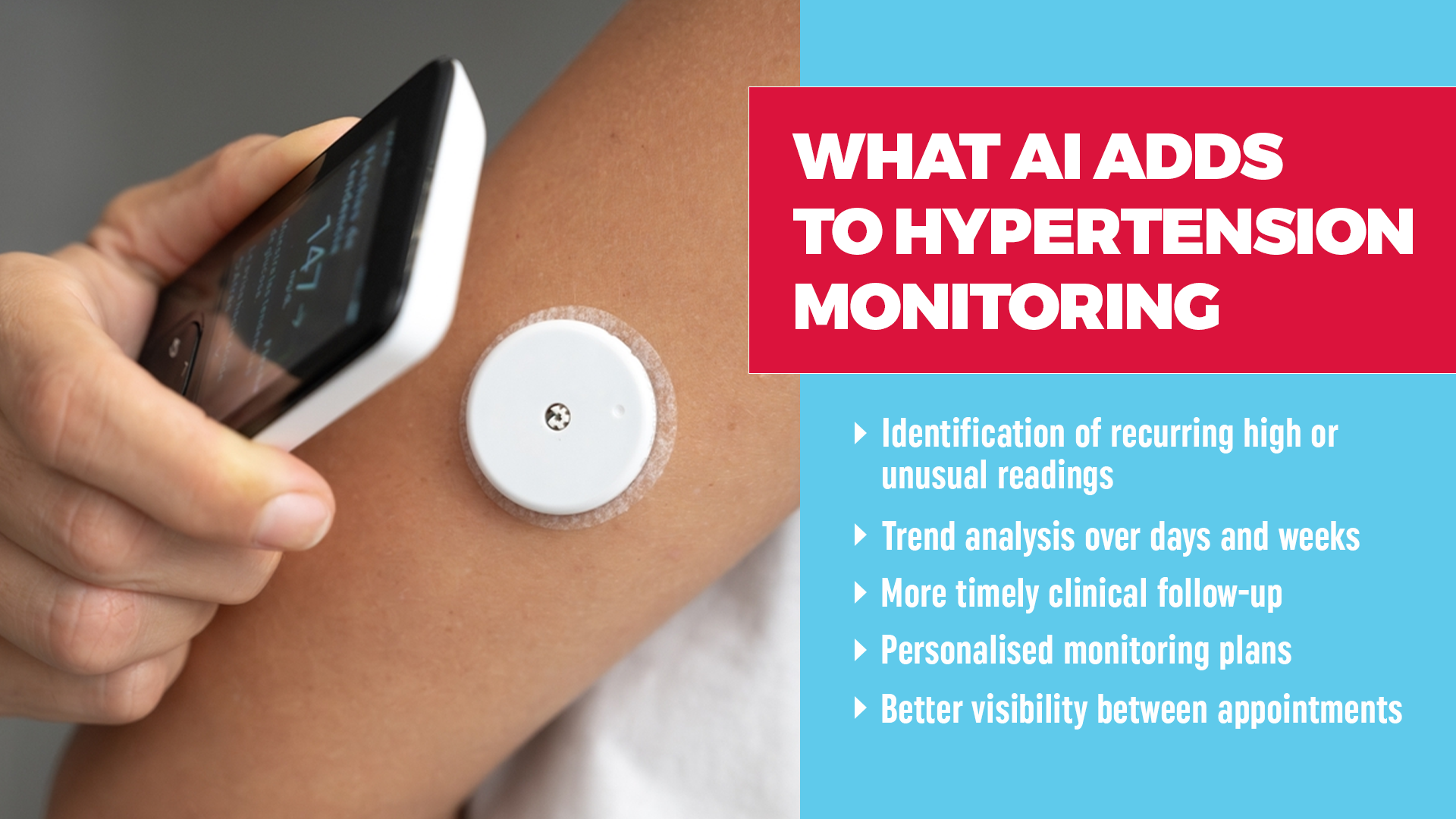
AI-powered RPM can help organise large amounts of patient data, identify patterns and bring potentially important changes to the attention of care teams. Instead of manually reviewing every reading with the same level of attention, clinicians can use prioritised information to decide where follow-up may be needed.
For patients with hypertension, this can support:
- Identification of recurring high or unusual readings
- Trend analysis over days and weeks
- More timely clinical follow-up
- Personalised monitoring plans
- Better visibility between appointments
- More efficient management of larger patient populations
The goal is not for AI to diagnose hypertension or make treatment decisions independently. It is to help clinicians work with timely, organised information.
How DocToDoor Supports Connected Hypertension Care
At DocToDoor, we combine remote monitoring technology with practical clinical workflows. Our remote patient monitoring for patients with hypertension can support continuous blood pressure tracking while giving healthcare teams access to patient data through a central platform.
Our blood pressure solution supports blood pressure tracking, real-time data access, device integration and personalised treatment planning.
For organisations building or expanding their own digital care services, our white-label remote patient monitoring platform provides another layer of flexibility. Providers can offer RPM under their own brand while using technology designed to support patient enrolment, care plans, alerts, communication and reporting.
Our telehealth RPM app also brings remote monitoring and virtual care into a connected digital experience. This allows providers to stay engaged with patients beyond the traditional clinic setting while keeping monitoring workflows organised.
The Future of Remote Patient Care for Hypertension
Hypertension management is becoming more data-driven, but technology works best when it supports clinicians rather than replacing them.
As AI, connected devices and telehealth continue to develop, RPM can help providers move from occasional measurement toward more informed, ongoing care. For healthcare organisations looking to introduce or expand this approach, choosing a platform that combines monitoring, clinical workflows and scalability is an important step.
At DocToDoor, we help healthcare providers build connected remote care programs around their needs. Contact us or book a demo to explore our remote patient monitoring solutions.