Patient Monitoring App for Hospital Patients: Best Support During the 30-Day Post-Discharge Period
Understand why the first 30 days after discharge are critical and how remote monitoring for hospital patients helps reduce readmissions and support safer recovery at home.
For many patients, going home from the hospital feels like a relief. The hard part seems over. But for many, this is where a more uncertain phase begins.
The first 30 days after discharge can be challenging, especially for high-risk patients. Routines change suddenly, medical support is no longer instantly available, and patients are expected to manage their recovery on their own. This is also when complications and readmissions most often occur.
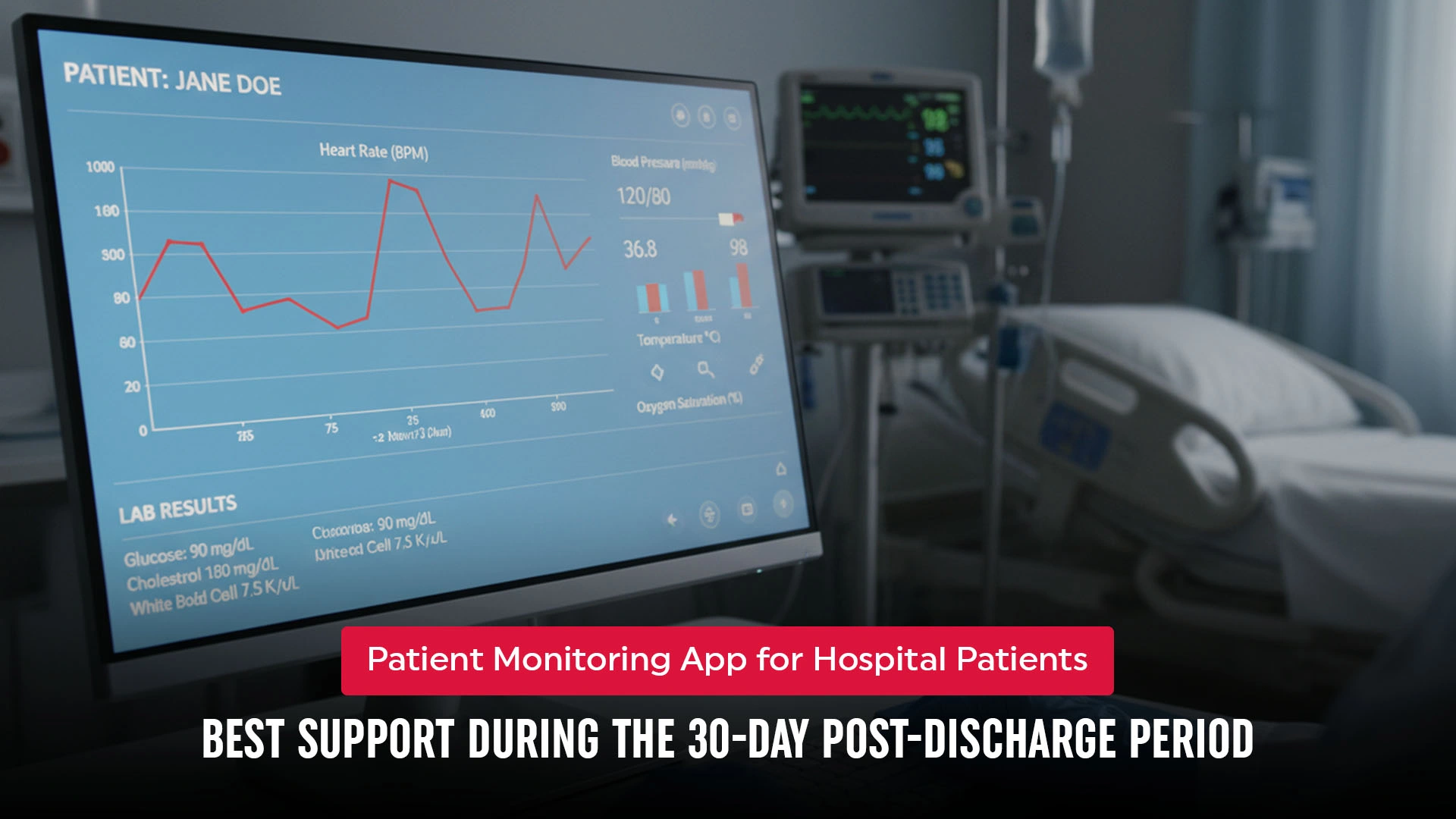
Some are managing chronic conditions, others are healing after surgery, and many are dealing with multiple health concerns at once. Without the right support during this time, small changes in symptoms can go unnoticed and quickly turn into bigger problems.
Why the First 30 Days Matter So Much for High-risk Patients
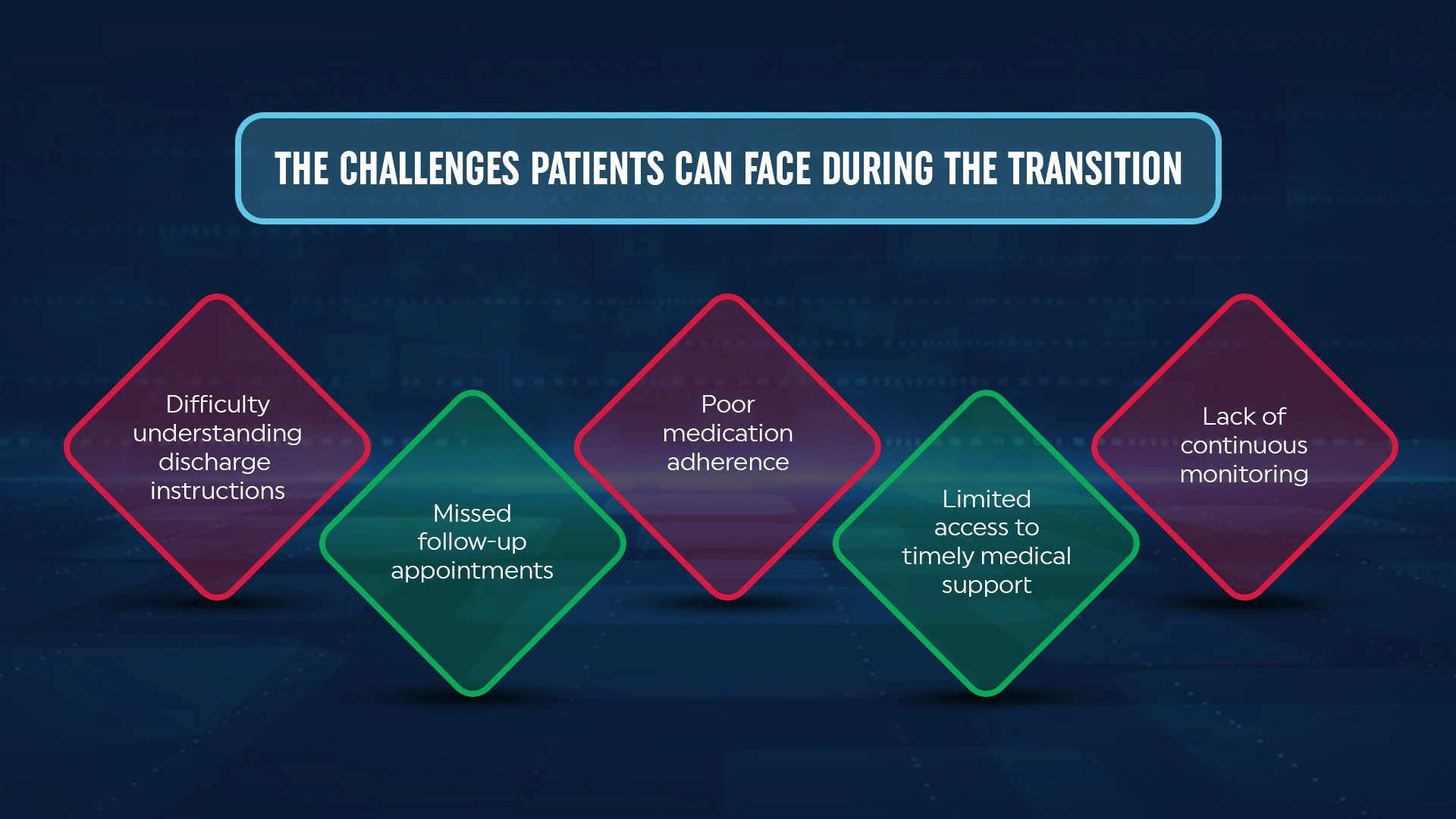
For high-risk patients, the post-discharge period is a vulnerable time where they need special attention to avoid making the condition worse and recover faster. As patients transition from a structured hospital environment, where they were under observation and medical support was readily accessible, to their homes, where they need to manage their health on their own or with the support of family members, they can face different challenges during the transition, including:
- Difficulty understanding discharge instructions
- Missed follow-up appointments
- Poor medication adherence
- Limited access to timely medical support
- Lack of continuous monitoring
Shifting to home may make many patients more comfortable and help them recover faster. However, for patients with chronic conditions or who have gone through a major surgery or complex treatment, even small changes in vital signs or symptoms can result in emergency visits or readmission. So, it is necessary to address these signs early to avoid such scenarios.
Gaps in Conventional Post-discharge Care
Before a patient leaves the hospital, healthcare professionals complete all necessary preparations to ensure a smoother discharge and provide instructions to prevent complications during the post-discharge period. But ongoing support is often limited, and in many cases, medical support is not accessible unless the patient is readmitted to the hospital.
For high-risk patients, addressing early signs is crucial. However, it is really difficult for patients and their families to recognize the signs. Moreover, many families hesitate to contact doctors due to a lack of understanding of the situation, often until the symptoms worsen.
The gap between hospital care and home care is the most common reason behind those many avoidable readmissions.
Importance of Continuous Monitoring for High-risk Patients
Supporting high-risk patients involves more than occasional check-ups. They need constant monitoring and timely intervention. With a patient monitoring app designed for hospital patients, healthcare professionals can track vital signs, symptoms, and overall health in real time. Instead of waiting for a scheduled visit, care teams can respond as soon as something changes.
For patients who are homebound or have limited mobility, access to care can be even more challenging. A telehealth app for homebound patients allows them to stay connected with healthcare providers without travelling.
How DocToDoor Supports Post-Discharge Care
DocToDoor is designed to close the gap between hospital discharge and home recovery. Our AI-powered platform helps clinics, ACOs, and post-acute care teams manage high-risk patients more effectively during this critical period.
Our smart patient monitoring app for hospital patients can track real-time vitals and health trends. Care teams can view AI-powered dashboards that highlight patients who need immediate attention. This enables providers to focus on the right patients at the right time, rather than manually reviewing large volumes of data.
For patients at home, DocToDoor also serves as a Telehealth App, allowing them to communicate via voice, video, and chat. This keeps patients engaged and connected to their care team without added complexity.
Our platform supports chronic care management, transitional care management, and remote patient monitoring within a single workflow. It is built to align with CMS requirements and includes documentation and billing support to help providers capture reimbursements more efficiently.
Healthcare teams using DocToDoor can:
- Reduce 30-day readmissions
- Prevent unnecessary ER visits
- Improve patient engagement at scale
- Streamline care coordination
- Maximize revenue through compliant workflows
Interested in learning more about our RPM solutions and exploring all features? Visit our website and book a demo now!