Hospital Patient Monitoring Apps: What Modern Care Teams Should Look For
Hospital care is becoming more connected, with digital tools helping clinicians stay informed even when patients are not directly in front of them. A well-designed patient monitoring app for hospital patients can support continuous observation, improve communication, and help care teams respond to changes sooner.
Hospital care is becoming more connected, with digital tools helping clinicians stay informed even when patients are not directly in front of them. A well-designed patient monitoring app for hospital patients can support continuous observation, improve communication, and help care teams respond to changes sooner.
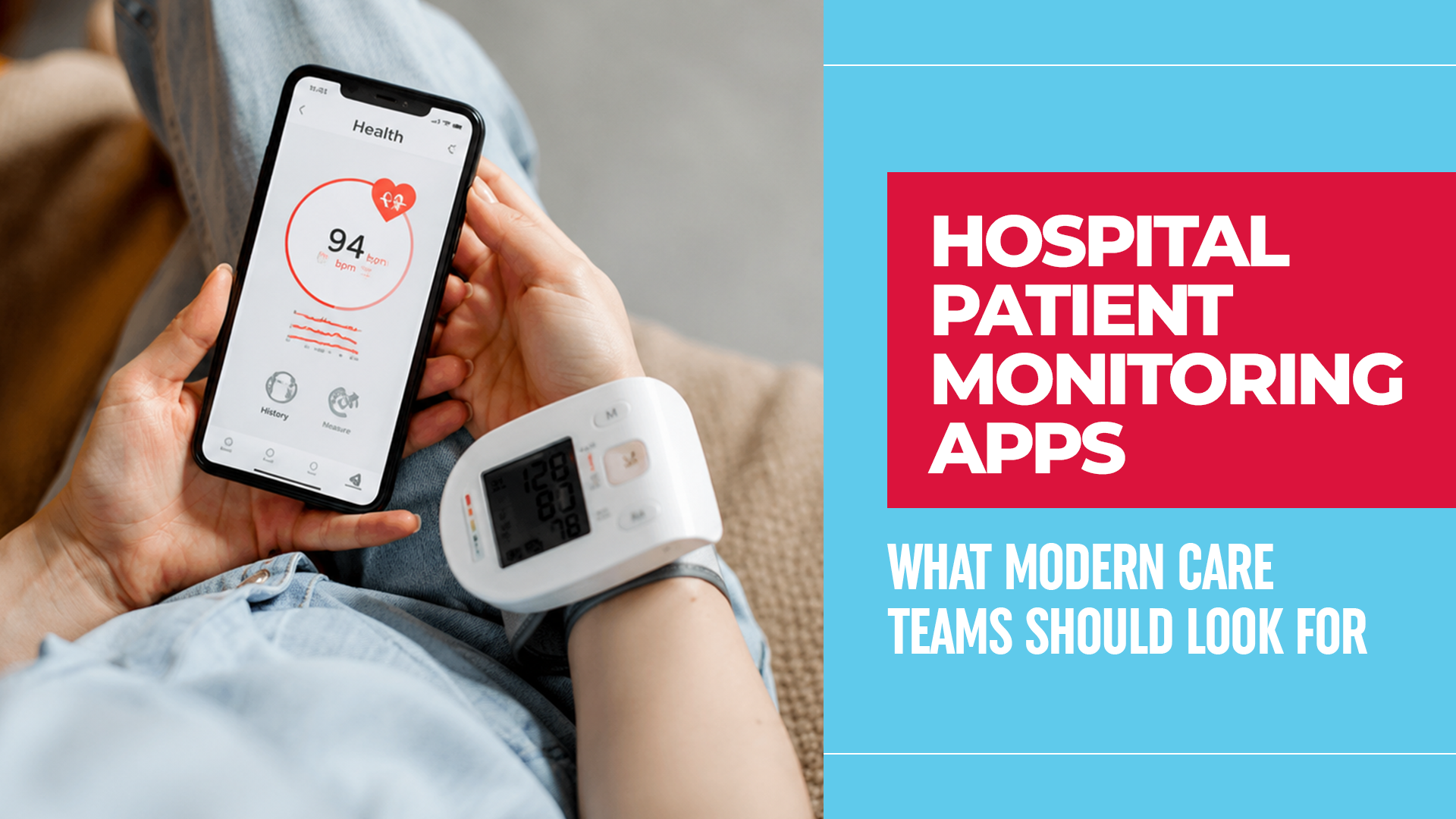
But not every monitoring app offers the same capabilities. Hospitals need to look beyond basic data collection and consider how well an app fits into clinical workflows, patient needs, and long-term care management.
What Is a Patient Monitoring App for Hospital Patients?
A patient monitoring app allows healthcare providers to collect, review, and manage health information remotely. Depending on the platform, patients may record symptoms, report vital signs, complete care activities, communicate with clinicians, or use connected medical devices.
For hospitals, remote patient monitoring can be particularly useful for:
- Post-discharge monitoring
- Chronic condition management
- Post-operative recovery
- Patients who require ongoing observation
- Discharge and risk management
- Telemedicine consultations
The goal is not to replace clinical care. Instead, the right technology gives care teams more information between appointments or in-person interactions.
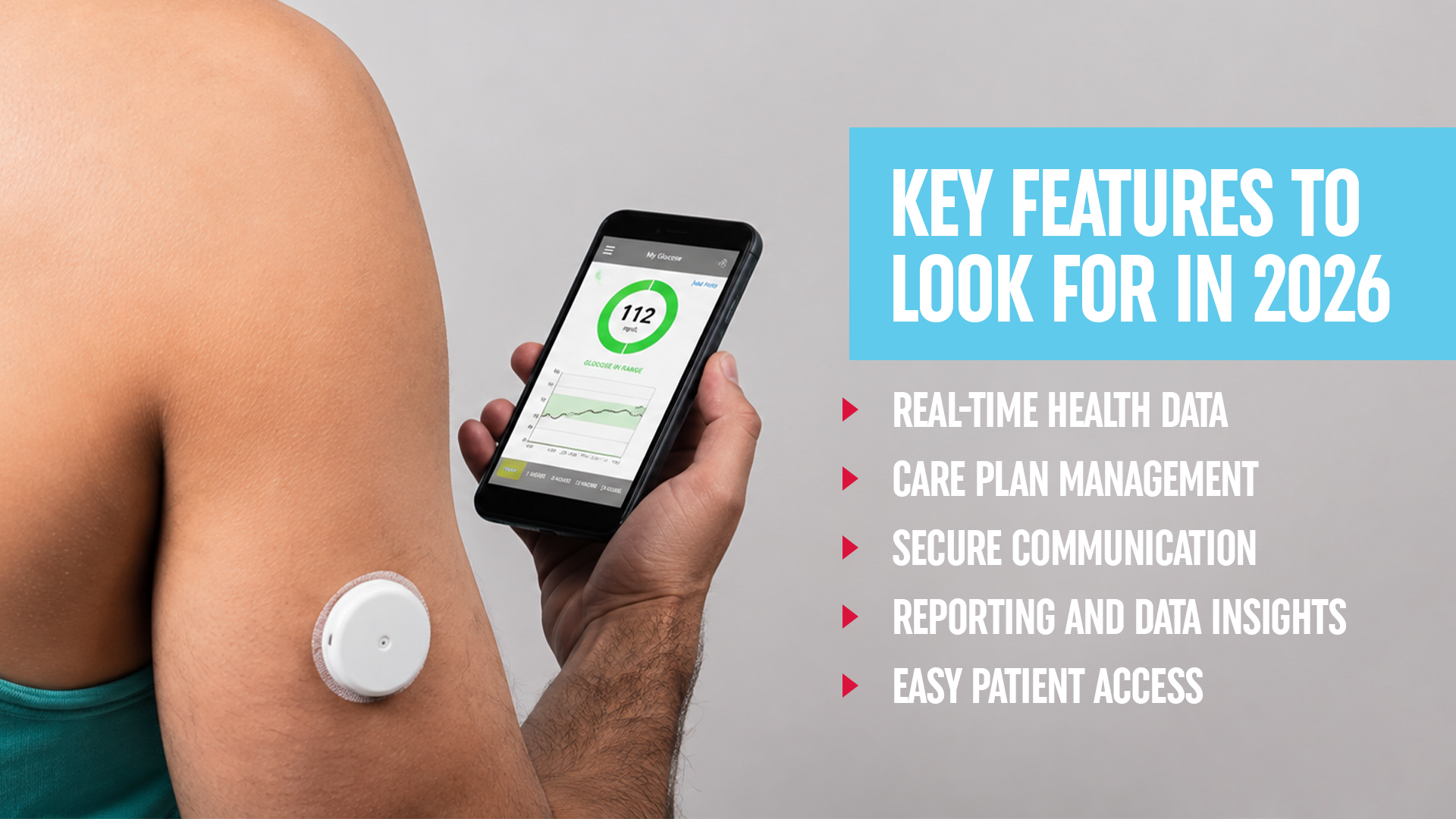
Key Features to Look For in 2026
When comparing remote patient monitoring apps, hospitals should consider whether the platform provides practical features that support both clinicians and patients.
Real-Time Health Data
The ability to collect and review patient-reported information and vital signs can give clinicians a clearer view of changing health conditions. Programmable alerts can also help highlight readings or symptoms that may require attention.
Care Plan Management
A useful platform should allow clinical staff to assign personalised care plans, goals, exercises, symptom trackers, and reporting measures based on individual patient requirements.
Secure Communication
Secure messaging between patients and care teams can help maintain communication after discharge and give patients a convenient way to raise concerns.
Reporting and Data Insights
Clear reports can help providers track patient progress, review health information, and support ongoing care decisions. Reporting can also be important when managing remote monitoring programmes and applicable reimbursement requirements.
Easy Patient Access
Even advanced technology has limited value if patients find it difficult to use. A simple mobile experience, clear instructions, and straightforward enrolment can improve participation.
How DocToDoor Supports Remote Patient Monitoring
At DocToDoor, we provide remote patient monitoring for hospital patients through a unified platform designed to connect patients and care teams beyond the hospital environment.
Our platform supports real-time patient vital monitoring, video consultations, store-and-forward encounters, secure communication, care plan management, and reporting. It can support different stages of care, including chronic care, post-operative recovery, telemedicine, and discharge management.
The implementation process begins with patient enrolment and consent. Clinical staff can then assign a care plan, configure programmable alerts, and educate patients on using their devices. Automated goals, exercises, symptom trackers, and reporting measures can be incorporated into the programme.
Clinicians can monitor patients through the platform, communicate securely with them, and generate reports for comprehensive care tracking. Our white-label approach also allows healthcare organisations to provide the experience under their own brand.
Why Remote Patient Monitoring Is Crucial for Hospitals
The value of remote monitoring extends beyond convenience. It can help care teams maintain visibility into patient health after discharge, support more proactive care, and encourage patients to remain involved in their treatment.
For hospitals managing large patient populations, having health information available remotely can also create a more connected approach to care management.
Wrapping Up
The best patient monitoring apps combine reliable health data collection with practical care management, secure communication, reporting, and an easy patient experience. Hospitals should choose technology that fits naturally into clinical workflows rather than simply adding another digital tool.
At DocToDoor, we help healthcare providers extend care beyond the hospital with a connected remote patient monitoring solution. Contact us today to schedule a demo and explore how DocToDoor can support better-connected patient care.