Diabetes Monitoring App for Clinics: How Continuous Glucose Checks Change Diabetes Care
CGM combined with RPM makes diabetes management more continuous, connected, and easier to act on in daily life. With the right diabetes monitoring app for clinics in place, clinics can turn real-time data into timely decisions, improving both patient outcomes and care efficiency.
Managing Type 2 diabetes isn’t just about checking a single reading. It’s about understanding patterns, building daily habits, and making the right decisions at the right time. For many patients, traditional monitoring provides only brief snapshots, leaving gaps in understanding what’s really happening between tests. That’s where Continuous Glucose Monitoring (CGM), combined with Remote Patient Monitoring (RPM), is starting to change everyday life.
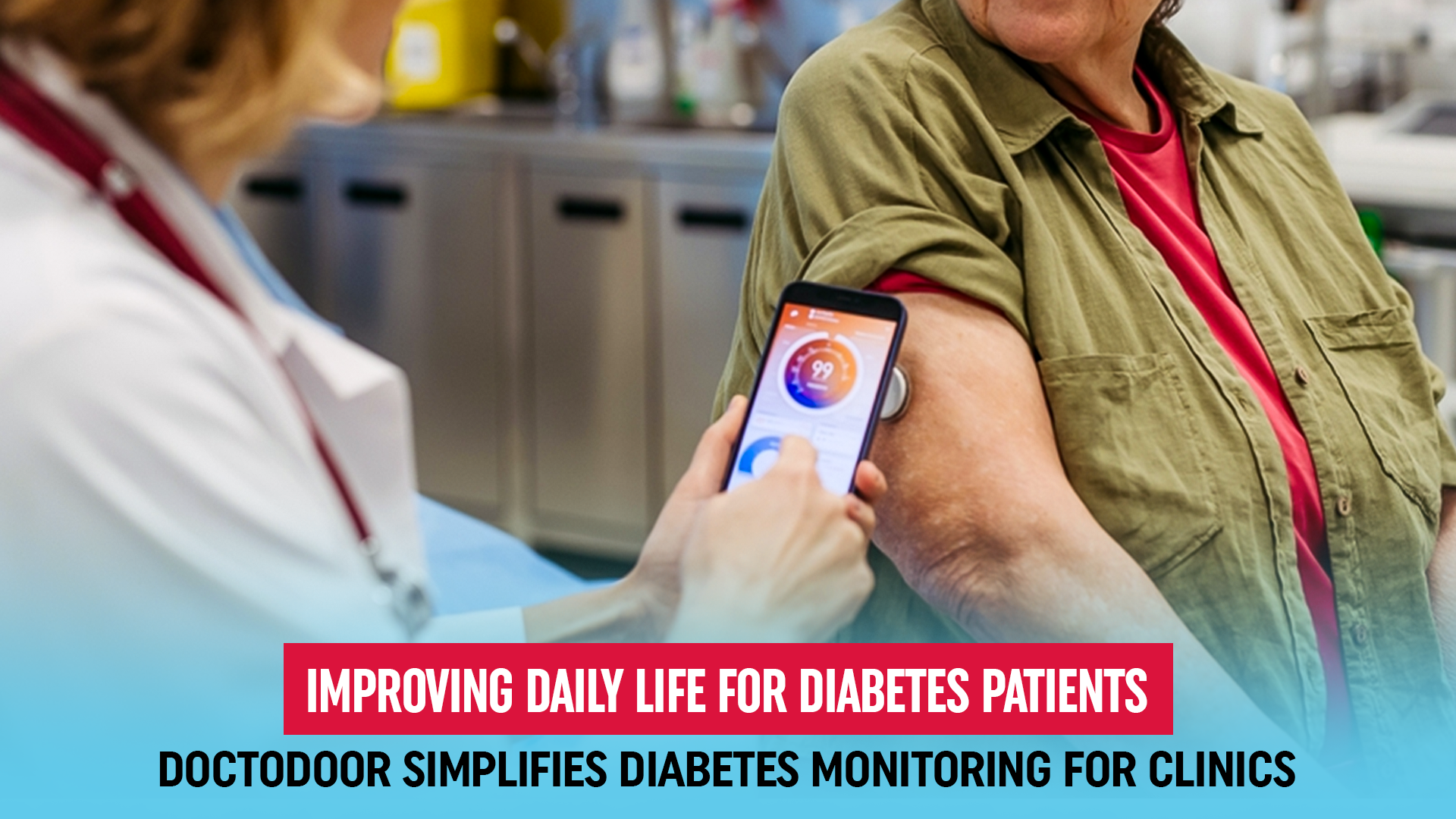
Instead of relying on occasional checks, CGM keeps a steady track of glucose levels throughout the day. When you combine that with RPM, the data doesn’t just stay on a device. It becomes something that patients and care teams can look at together and take action on. The result is more clarity, fewer unexpected changes, and a stronger sense of control.
What Changes When Monitoring Becomes Continuous
CGM devices track glucose levels in real time, helping patients see how meals, activity, stress, and medication affect their bodies. But the real value comes when this data is shared and properly understood.
With RPM, healthcare providers can review trends remotely and step in when needed. This reduces the need for frequent in-person visits while maintaining consistent care. Patients don’t have to guess what’s going on. They get timely feedback that helps them adjust their routines with more confidence.
Together, this makes everyday decision-making easier. For example, a patient can see how a specific meal affects their blood glucose within hours, rather than waiting until the next appointment. Over time, these small insights lead to better habits and help lower the risk of complications.
Significance of Smart Alerts and Data Insights in CGM
One of the most important benefits of CGM with RPM is early intervention. With smart alerts, patients are notified when glucose levels move outside the target range. At the same time, healthcare providers can access the same data and offer timely guidance.
CGM also allows care providers to focus on trend analysis rather than reacting to isolated readings. This helps both patients and providers understand patterns and make better-informed decisions. Over time, data from remote patient monitoring can be used to fine-tune treatment plans, adjust medications, and improve long-term outcomes such as HbA1c levels.
The shift is simple but impactful. Care moves from reactive to proactive.
How DocToDoor Simplifies Diabetes Monitoring for Clinics
For clinics managing multiple diabetes patients, manually handling large volumes of health data is impractical. That is why DocToDoor has built a diabetes-monitoring app for clinics that brings everything together in one place.
We combine CGM and RPM into a structured, easy-to-use system that helps both patients and healthcare providers stay on track. Our diabetes monitoring app integrates seamlessly with trusted devices like Accu-Chek Guide and Guide Me to let data flow directly into a single interface without extra steps.
We focus on keeping the experience simple. Patients can track blood sugar, log meals, monitor activity, and stay consistent with their medication. At the same time, providers get real-time visibility, clear reports, and the ability to identify trends without delays.
Making Remote Care Practical and Scalable
Clinics need flexibility as they grow. As a white-label remote patient monitoring app, our solution enables providers to offer advanced monitoring under their own brand without building new systems from scratch.
Our platform also serves as a white-label telehealth app, making it easier to conduct remote consultations, securely share data, and stay connected through regular virtual check-ins. This helps create a care experience that continues beyond the clinic.
We also support patients beyond just numbers. With features like live coaching, dietary guidance, and activity tracking, we help patients build habits that are easier to maintain over time.
Turning Data Into Better Outcomes
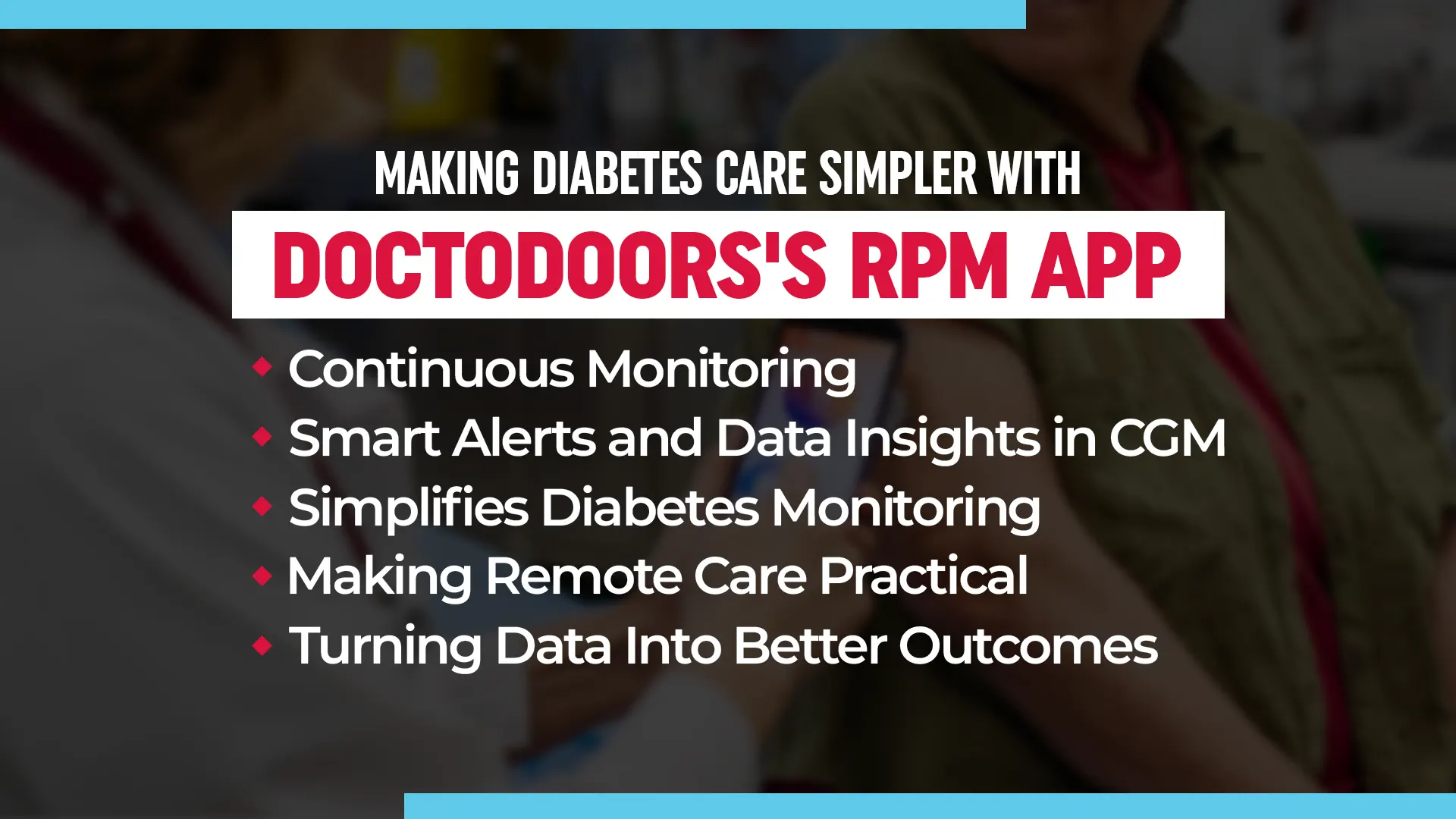
Data should lead to clear action. Our platform turns daily readings into meaningful insights through real-time tracking, trend analysis, and professional interpretation. This allows both patients and providers to make informed decisions quickly.
We also prioritize data security. Our systems adhere to strict compliance standards, with strong encryption and controlled access to ensure patient information remains protected.
Our goal is simple-to make diabetes management more manageable, more connected, and more effective.
Visit our website today to explore our diabetes monitoring app designed for clinics. Book a demo to experience the difference.