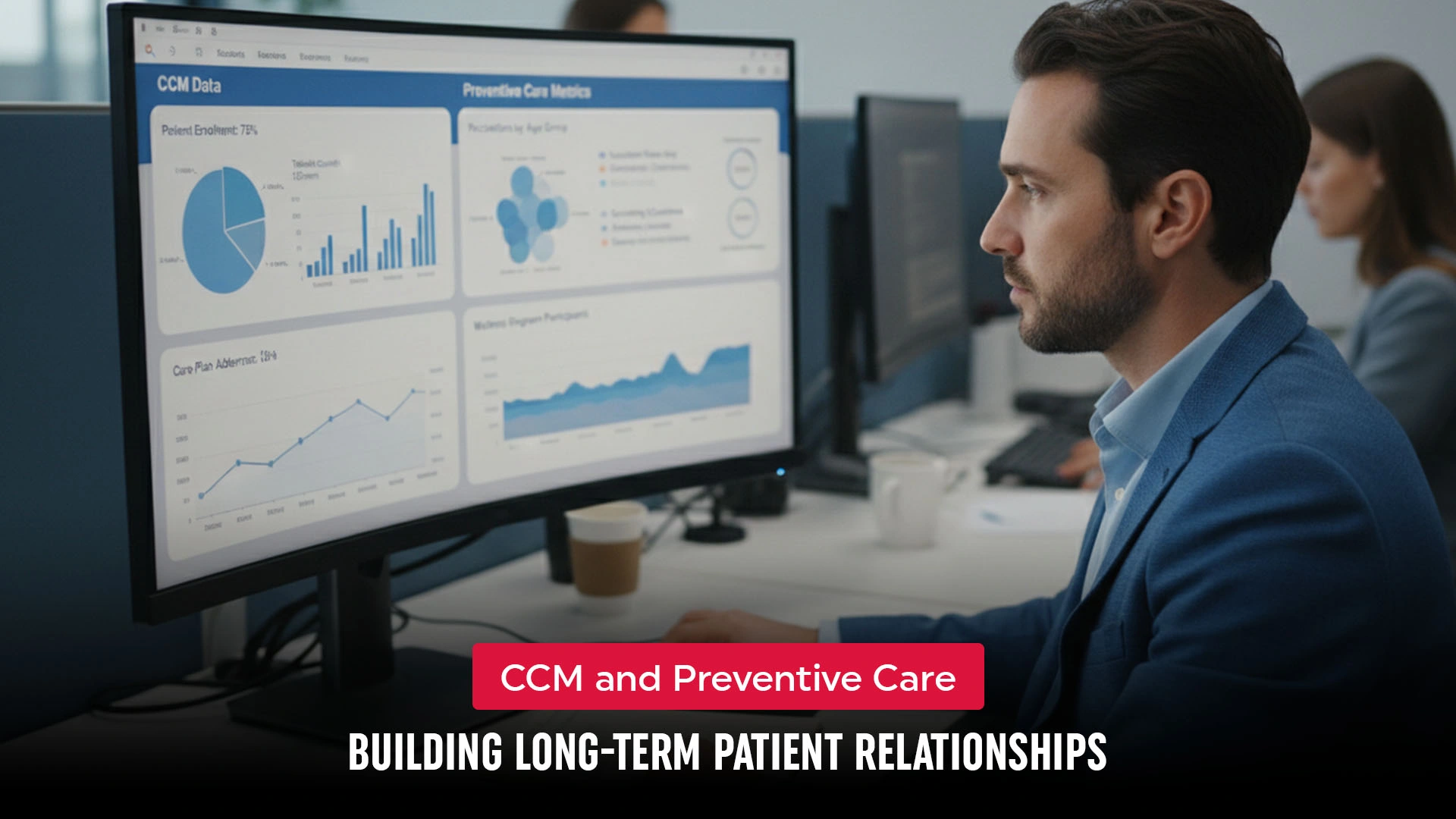
CCM and Preventive Care: Building Long-Term Patient Relationships
Strengthen patient relationships with chronic care management and preventive care
A patient leaves the clinic with a clear care plan, but weeks later returns with worsening symptoms, missed medications, or preventable complications. Such cases happens and every healthcare provider has faced it.
Well, in those cases, the gap is rarely about intent. It is more about what happens between visits.
Chronic Care Management (CCM) systems are designed to close that gap. CCM and preventive care enable healthcare providers to always stay connected with patients beyond episodic appointments and create care experiences that are actually continuous, supportive, and reliable.
As value-based care expands across the US, chronic care management is no longer optional for clinics and hospitals. It has now become central to how patients with chronic illness are treated and to how healthcare providers build and sustain long-term relationships.
CCM Is a Care Philosophy, Not Just a Billing Model
CCM is often introduced through reimbursement conversations, but its real impact is clinical. At its core, CCM creates structure around ongoing care for patients with chronic conditions such as diabetes, hypertension, heart disease, and COPD.
Instead of relying solely on in-person visits, care teams maintain regular touchpoints, monitor progress, and address concerns early. Patients feel seen and supported, which increases engagement and adherence. Providers gain visibility into patient health trends that would otherwise go unnoticed.
Over time, CCM shifts the provider-patient relationship from reactive to proactive. It replaces uncertainty with continuity and builds trust through consistency.
Preventive Care Strengthens the CCM Framework
Preventive care gives CCM its long-term power. While CCM provides structure, preventive care focuses on anticipation. It is about identifying risks early and acting before they escalate into acute events.
When preventive care is embedded in CCM workflows, providers can respond to subtle changes in vital signs, behavior, or symptoms. Small interventions at the right time often prevent major clinical setbacks later. This approach improves outcomes while reducing avoidable hospitalizations and readmissions.
For patients, preventive care reinforces confidence. They know their care team is paying attention, even when nothing feels urgent.
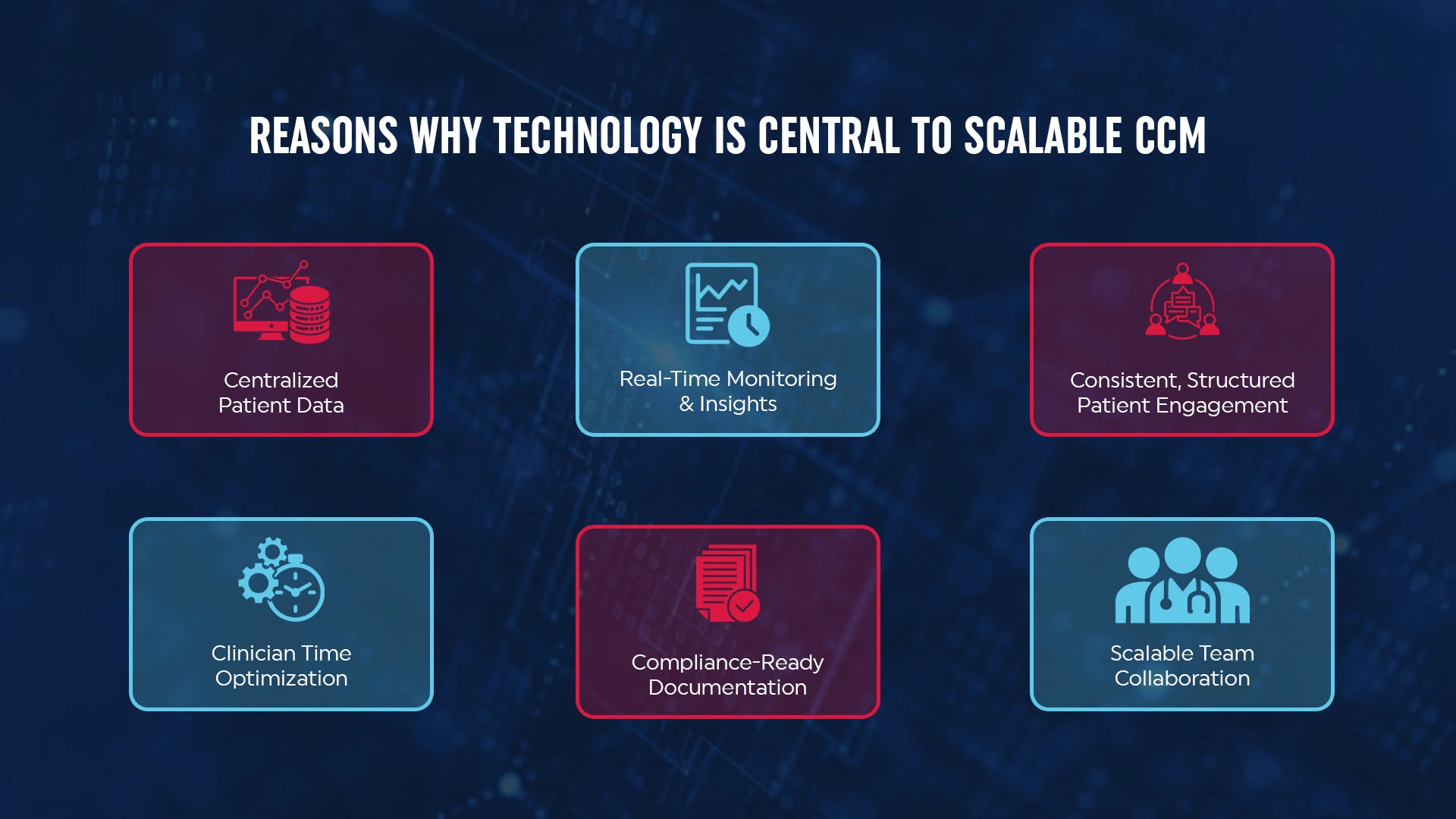
Why Technology Is Central to Scalable CCM
As patient panels grow, manual CCM processes quickly become unsustainable. Spreadsheets, fragmented tools, and inconsistent outreach create inefficiencies and staff burnout. Modern CCM requires technology that supports clinical judgment rather than competing with it.
This is why many healthcare organizations go for top chronic care management apps in the USA to streamline the entire process. The goal is not simply automation, but clarity.
When you are using one of the top 10 chronic care management platforms, you can access real-time insights, consistent patient communication, and compliant documentation.
What Healthcare Providers Should Expect From a CCM Platform
A CCM platform must first be practical. It should simplify daily operations, not add another layer of complexity.
Compliance and reimbursement support also matter, but they should operate quietly in the background. Care teams need to spend their time on patient conversations and clinical decisions instead of chasing documentation.
Flexibility is equally important. In this case Practices can vary widely in size, specialty, and patient population. So, healthcare professionals need a chronic care and preventive care management platform that can adapt to those differences while supporting long-term growth.
Where DocToDoor Fits Into the Chronic Care Management
DocToDoor is a highly acknowledged platform built to support continuous care delivery without overwhelming clinical teams. It is considered one of the top 10 chronic care management apps in the USA, focusing on making ongoing patient monitoring and coordination manageable at scale.
DocToDoor can help providers identify which patients need attention first and why. It supports proactive follow-up while maintaining alignment with care quality and reimbursement requirements. Instead of fragmenting workflows, it brings monitoring, engagement, and care coordination into a single, cohesive experience.
While comparing with other CCM platforms, DocToDoor stands out by prioritizing usability and real-world adoption. It is designed for clinics, ACOs, and post-acute teams that need technology to support care delivery, not complicate it.
The Future of CCM Is Relationship-Driven Care
Healthcare continues to move toward new models that prioritize outcomes, efficiency, and continuity. CCM and preventive care are at the center of that evolution. If you are associated with healthcare facilities and planning to invest in the right tools and workflows, DocToDoor can be the one-stop solution. It can manage risk, improve care quality, and retain patients over the long term.
Final Words
Choosing a CCM platform is no longer just a technical decision. It is a strategic choice that shapes how care is delivered and how relationships are built. For providers navigating the top 10 chronic care management app landscape in the USA, the true differentiator will always be how well a platform supports meaningful, long-term patient connections.
Frequently Asked Questions
How does CCM actually improve long-term patient relationships?
What role does preventive care play in reducing avoidable hospital visits?
How can a CCM platform reduce workload without compromising care quality?
Follow us on LinkedIn.